
The plastic bottle thickness is a critical parameter in packaging applications, as it directly impacts the performance, strength, and overall quality of the bottle. Whether for beverage containers, pharmaceuticals, or other products, maintaining consistent thickness ensures durability, safety, and cost-efficiency. In this article, we will delve into the significance of plastic bottle thickness, methods to measure it, and the tools used for accurate testing, such as wall thickness machines.
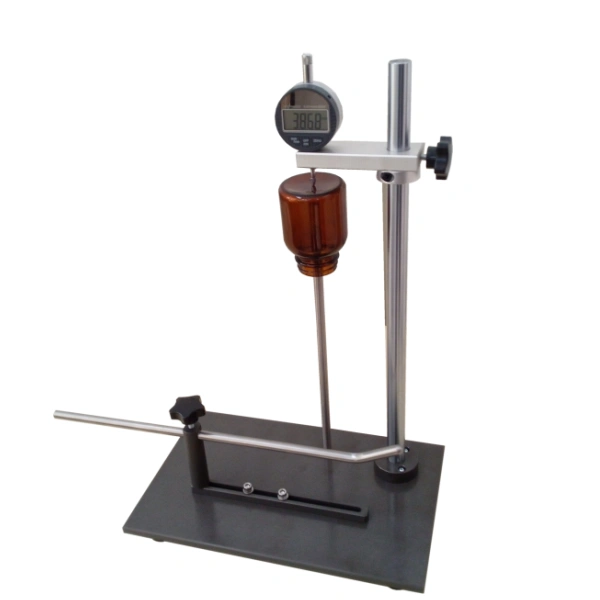
Understanding PET Bottle Thickness and Its Significance
One of the most commonly used materials in packaging is PET (Polyethylene Terephthalate). PET bottles are popular due to their light weight, high strength, and versatility. However, maintaining consistent PET bottle thickness is essential for several reasons:
- Structural Integrity: The thickness of a bottle directly affects its ability to withstand pressure and impact, ensuring that the contents remain safe and the bottle doesn’t deform easily.
- Barrier Properties: Thickness influences the bottle’s resistance to gases and liquids, especially for products sensitive to light and oxygen.
- Manufacturing Efficiency: Uniform thickness contributes to the efficiency of the manufacturing process, ensuring consistent production quality and reduced waste.
Understanding how to properly measure PET bottle thickness can help manufacturers ensure that each bottle meets required specifications and maintains optimal performance.
PET Bottle Wall Thickness Test: A Detailed Overview
A PET bottle wall thickness test is essential for determining whether a bottle has been manufactured within the specified thickness tolerance. This testing involves measuring the wall thickness at various points around the bottle to ensure uniformity. The test is crucial in preventing defects such as weak spots or excessive material usage, which can lead to higher costs or reduced strength.
- Test Procedure: During testing, a specialized wall thickness machine is used to precisely measure the thickness at multiple locations around the bottle, including the base, neck, and sides. This ensures a comprehensive evaluation of the bottle’s overall quality.
- Metody: The test can be conducted using several methods:
- Micrometers: For precise point measurement, micrometers provide accurate thickness readings in millimeters.
- Ultrasonic Testing: This method uses sound waves to measure the thickness non-destructively, ensuring the entire wall is assessed without causing damage.
- X-Ray Testing: In cases where extreme accuracy is needed, X-ray imaging can map the thickness distribution across the bottle.
How to Measure Container Wall Thickness in mm
When it comes to container wall thickness in mm, it is crucial to ensure consistency across the entire production batch. Even minor variations in thickness can affect the bottle’s performance. Here’s how manufacturers can accurately measure and control container wall thickness:
- Calibration of Equipment: Before starting measurements, ensure the equipment is calibrated. This includes ensuring the micrometers and ultrasonic devices are properly set up to deliver accurate readings.
- Sampling Method: For mass production, random sampling should be conducted to assess the wall thickness of bottles. This helps ensure that the batch remains consistent throughout the production run.
- Documentation and Analysis: After taking measurements, the data should be documented and analyzed to identify any potential deviations from the desired specifications. This ensures that corrective actions can be taken if needed.
Benefits of Using a Wall Thickness Machine
A wall thickness machine is an invaluable tool for manufacturers, ensuring that the plastic bottles produced meet the required standards. Here are some of the key benefits:
- Accuracy: These machines provide highly accurate readings of wall thickness, which is crucial for ensuring the product’s integrity.
- Consistency: By automating the measurement process, wall thickness machines ensure that every bottle produced is measured consistently, reducing human error.
- Efficiency: With automated measurements, manufacturers can save time while maintaining high levels of accuracy, improving overall production efficiency.
- Cost-Effectiveness: Consistently measuring and adjusting the bottle thickness can help prevent excessive material use, which in turn lowers material costs and reduces waste.
The plastic bottle thickness is a critical factor in packaging design and production. Accurate measurement of PET bottle thickness ensures that the bottles are strong, durable, and meet the desired performance standards. With the use of advanced tools like wall thickness machines, manufacturers can maintain high quality control and streamline the production process. Consistent testing and measurement of wall thickness not only improve product quality but also help optimize material usage and reduce costs.
For manufacturers looking to ensure precise wall thickness control, investing in a high-quality wall thickness machine from Cell Instruments can significantly enhance production standards and ensure product integrity.