
Introduction to Top Load Testing for PET Bottles
Top load tester for PET bottles is an essential tool in evaluating the compressive strength and durability of PET containers, which are widely used in packaging for food, beverages, and pharmaceuticals. The top load test determines a bottle’s ability to withstand forces applied to its top, simulating real-world handling, stacking, and transportation conditions.
This article will explore the importance of top load testing, the role of the bottle compression tester, and how ASTM D642 standards ensure the strength and reliability of PET bottles.
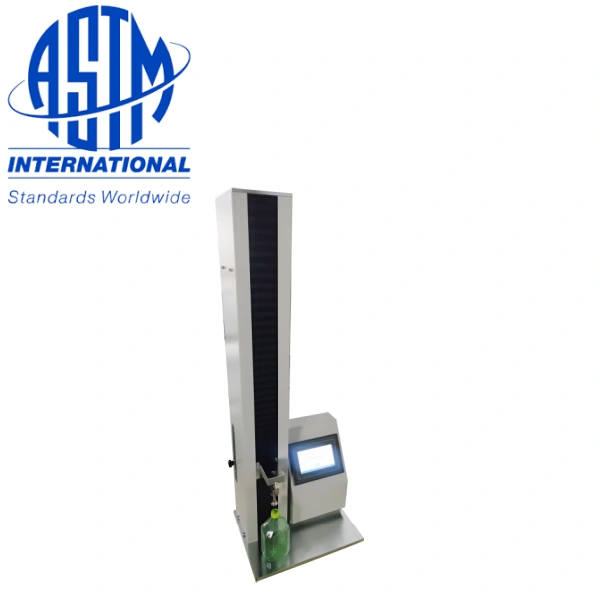
The Role of a Top Load Tester for PET Bottles
A top load tester is designed to apply a vertical load on a PET bottle and measure its resistance to deformation or failure under pressure. This is crucial for ensuring that bottles retain their structural integrity throughout the supply chain, from manufacturing to the consumer’s hands.
Key Features of a Top Load Tester:
- Accurate Compression Testing: The tester applies a controlled compressive force to the top of the bottle, ensuring uniform testing across multiple bottles.
- Load Measurement: The tester records the force required to deform or collapse the bottle, helping manufacturers determine the bottle’s ability to withstand external pressure during stacking or handling.
- Simulating Real-World Conditions: By simulating conditions such as stacking during storage or transportation, the top load test ensures that the PET bottle maintains its shape and integrity without cracking or breaking.
Manufacturers use this test to assess whether the bottle design is suitable for its intended use and if it complies with industry standards for compression resistance.
ASTM D642 and Its Importance for PET Bottle Testing
ASTM D642 is a widely recognized standard test method for determining the compressive resistance of shipping containers, components, and unit loads. For PET bottles, this standard helps evaluate their ability to withstand the compressive loads they will experience during transportation and storage. The test involves applying a compressive force to the top or edges of the container to simulate real-world conditions.
Key Aspects of ASTM D642:
- Testing for Compression Resistance: ASTM D642 evaluates the resistance of a container (or bottle) to external compressive forces that may occur during shipping or stacking.
- Standardized Load Application: The standard specifies the load application method, ensuring consistency across different materials and packaging designs.
- Relevance for PET Bottles: PET bottles must withstand significant pressure during storage, stacking, and transportation. ASTM D642 helps manufacturers ensure that their PET bottles meet the required strength standards.
By adhering to ASTM D642, manufacturers can guarantee that their PET bottles will perform reliably under stress, minimizing the risk of damage during the supply chain process.
The Importance of Bottle Compression Testing
Bottle compression testing is a crucial step in the quality control process for PET bottles. It ensures that the bottles can handle stacking and external pressure without losing their integrity. Using a bottle compression tester, manufacturers can apply increasing loads to simulate the conditions the bottles will face during transportation, retail stacking, and consumer handling.
Why Bottle Compression Testing is Essential:
- Prevents Cracking and Deformation: PET bottles are prone to cracking or deforming under excessive pressure. The compression test identifies bottles that may fail under load, preventing costly product recalls.
- Enhances Product Durability: Ensuring that bottles can withstand pressure enhances their durability and protects the product inside, whether it’s beverages, chemicals, or pharmaceuticals.
- Improves Efficiency: By testing the compression resistance of bottles, manufacturers can optimize their design and material usage to create stronger bottles at lower costs.
Сайт bottle compression tester is essential for assessing the compressive strength of PET bottles and ensuring they meet the necessary industry standards.
How the Top Load Test and Compression Tester Work Together
Сайт top load test and bottle compression tester are complementary tools that work together to evaluate a PET bottle’s overall performance. While the top load test focuses on the ability of the bottle to withstand forces applied from the top, the compression tester ensures that the bottle can handle forces applied to its body, simulating real-world conditions such as stacking and transport pressure.
Combined Testing Process:
- Top Load Testing: The bottle is placed under a top load tester, where a vertical compressive force is applied to the top of the bottle until it deforms or fails. This test simulates the pressure a bottle may face when stacked in a warehouse or retail environment.
- Compression Testing: The bottle is subjected to compressive forces applied to its sides or body, ensuring that the bottle can endure forces from various angles and orientations.
Together, these tests help manufacturers verify the durability of their PET bottles under a variety of conditions, ensuring that they are safe and reliable for use.
Conclusion: Why Top Load Testing is Vital for PET Bottles
Top load testing is a critical procedure for evaluating the compressive strength and durability of PET bottles. By utilizing ASTM D642 standards and bottle compression testers, manufacturers can ensure that their bottles can withstand the forces they will experience during the supply chain, reducing the risk of product damage and improving overall performance.
Сайт Тестер верхней нагрузки для ПЭТ-бутылок not only helps in optimizing bottle design but also guarantees that the bottles meet industry standards for compressive resistance. By ensuring that PET bottles can endure external pressure without failure, manufacturers can improve product quality, reduce costs, and provide customers with a reliable and durable packaging solution.